If your workday starts with Zoom calls and ends with a quick trail walk, Albuquerque may feel like a smart fit. Remote and hybrid workers are looking for more than just a house right now. You want reliable internet, flexible living space, manageable housing options, and a neighborhood that supports your daily routine. Albuquerque checks many of those boxes, and that helps explain why more remote workers are giving its neighborhoods a closer look. Let’s dive in.
Albuquerque fits remote work life
One big reason Albuquerque stands out is how well it supports the rhythm of remote and hybrid schedules. In June 2026, New Mexico is on Mountain Daylight Time, which can work well if you collaborate with people on either coast. You can often start early with East Coast teams and still have time left in your day.
Connectivity also matters, and Albuquerque has a strong baseline. Census data shows that 90.5% of households have a broadband subscription and 96.0% have a computer. That gives many buyers confidence that work-from-home life is realistic here.
The city also offers backup options when you need a change of scenery or your home internet goes down. Albuquerque provides free public WiFi at parks, libraries, community centers, neighborhoods, and many ART stations. For remote workers, that adds a practical layer of flexibility to everyday life.
Travel is easier than you might expect
Remote work does not always mean staying home all the time. If your job includes occasional meetings, client visits, or business travel, Albuquerque still makes that manageable. The Albuquerque International Sunport is New Mexico’s largest commercial airport, with 8 major carriers and nonstop service to more than 30 destinations nationwide.
That matters if you want a home base that feels grounded without feeling disconnected. You can build your routine around home, neighborhood amenities, and outdoor access, while still reaching other cities when work calls for it. For many buyers, that balance is a big part of the appeal.
Housing options support different budgets
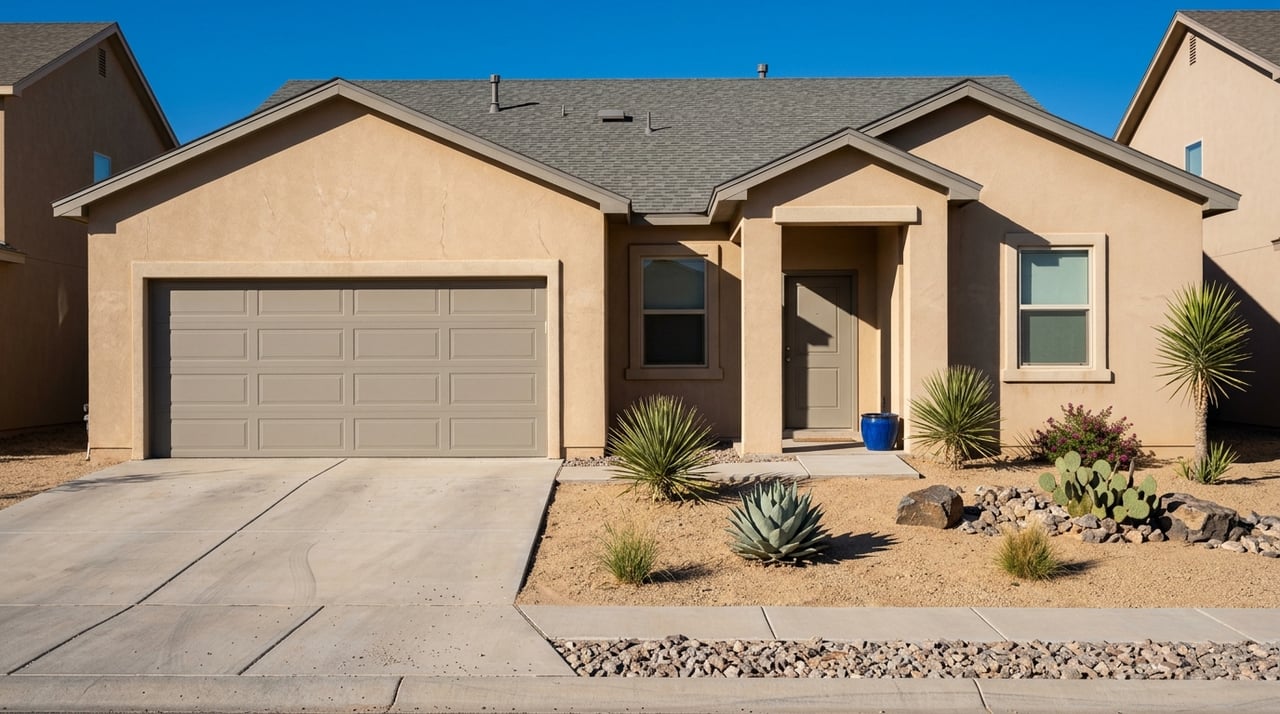
Another reason remote workers are drawn to Albuquerque neighborhoods is choice. Not everyone needs the same setup. Some buyers want an affordable first home with enough room for a desk nook, while others want a larger layout with a separate office or bonus room.
Citywide numbers show why Albuquerque gets attention. Census QuickFacts reports a median value of owner-occupied homes at $291,500, median gross rent at $1,145, and median household income at $68,317. Realtor.com’s market overview places the median listing price at $389,545 and median rent at $1,380.
Just as important, pricing varies across the city. Realtor.com reports Southwest Albuquerque around $320,000, Northwest around $384,900, and Northeast around $400,000. At the zip code level, 87121 is around $319,000, while 87120 and 87111 are around $430,000 and $465,000.
For you, the takeaway is simple: Albuquerque is not a one-price market. You may be able to weigh tradeoffs between budget, lot size, layout, and location rather than trying to force your search into a narrow range. That flexibility is especially helpful when your home also needs to function as your workplace.
Layout matters more for remote buyers
Remote work has changed what many buyers notice inside a home. Open layouts still appeal to some people, but privacy and noise control often matter more than they used to. Recent commentary from the National Association of REALTORS notes that many buyers are rethinking fully open floor plans because working from home has increased the value of defined work areas.
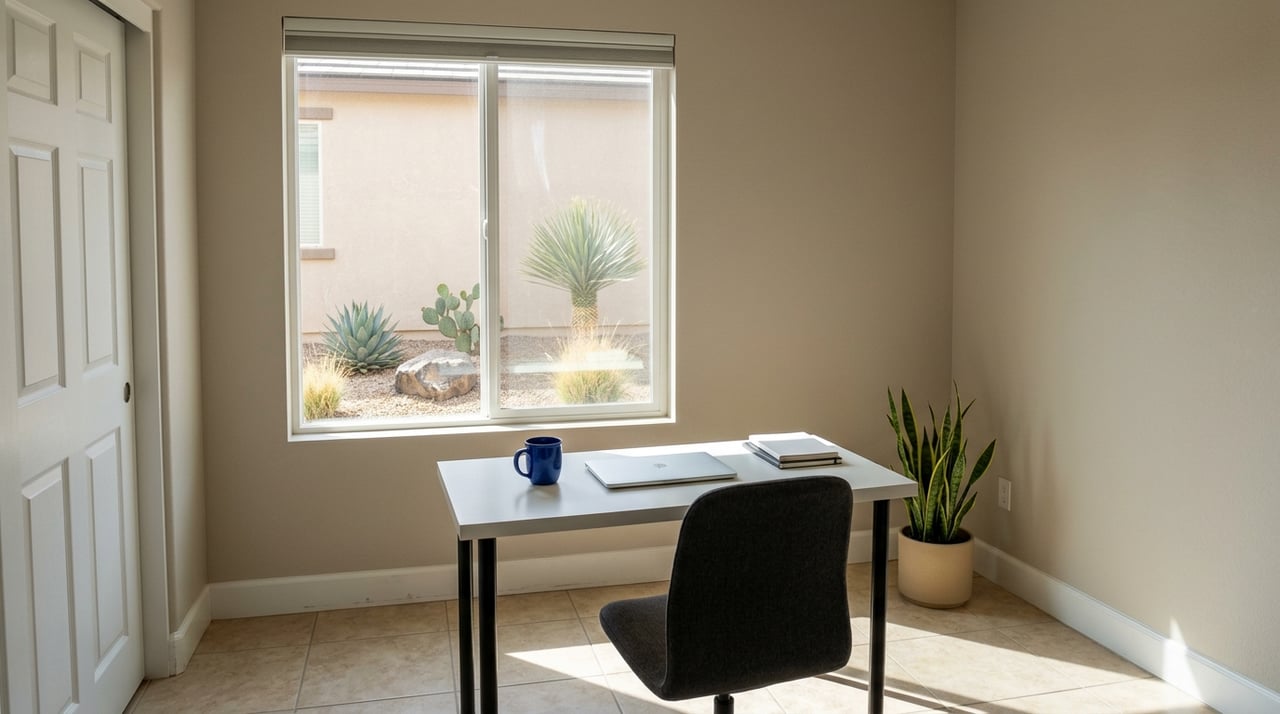
That does not always mean you need a dedicated office with a door. In many homes, a den, bonus room, loft, or office nook may do the job well. If you are shopping in Albuquerque, it helps to think beyond the label on the listing and focus on how the space actually lives day to day.
Neighborhood features remote workers notice
When remote workers compare Albuquerque neighborhoods, they often focus on a few practical lifestyle features. The house matters, but the area around it matters too. A neighborhood that supports your routine can make working from home feel easier and more sustainable.
Transit access helps hybrid schedules
If you split time between home and occasional in-person commitments, access to transit may matter more than you think. Albuquerque Rapid Transit is free and runs primarily along Central Avenue from the west side through Downtown and Nob Hill to Uptown and the east side. Stations include areas such as Downtown, East Downtown, Nob Hill, East Nob Hill, Highland, UNM/Popejoy, UNM/CNM, and Uptown Transit Center.
Rio Metro’s Downtown station at the Alvarado Transportation Center adds another layer of connectivity. The station provides access to cultural attractions, healthcare, shopping, Amtrak, and Greyhound. If you like the idea of living near options, central corridor areas can be worth exploring.
Open space adds daily flexibility
For many remote workers, a good break is not just stepping into the kitchen. It is stepping outside. Albuquerque offers more than 30,000 acres of protected open space, including the West Mesa, Foothills, Bosque/Valley, Tijeras Arroyo, and East Mountains.
The city highlights the Rio Grande bosque, the Sandia foothills, the West Mesa, and the East Mountain system as major recreation areas. The Route 66 Trailhead also connects into the Manzano/Four Hills and Tijeras Bio-Zone trail network. That means it is realistic to build short walks, hikes, or trail breaks into your week without leaving the metro.
Public WiFi adds backup work spots
Some buyers want more than one reliable place to work. If that sounds like you, Albuquerque’s public WiFi network is a real plus. Libraries, community centers, parks, neighborhood sites, and many ART stations can serve as backup locations when you need to stay connected.
That kind of redundancy may not be the first thing you think about when you start house hunting. Still, it can make a big difference once you settle in. A neighborhood that supports both your home life and your work life often feels more useful over time.
Different areas can support different priorities
One of Albuquerque’s strengths is that neighborhoods offer different combinations of price point, setting, and access. Some buyers may prefer central areas near transit and activity. Others may look toward the west side or southwest for value, or toward the northeast for different home styles, lot sizes, or settings.
There is no single best neighborhood for every remote worker. The better question is which area fits your routine. If you want easy access to Central Avenue transit, one set of neighborhoods may rise to the top. If you care more about price range or being closer to open space, a different area may make more sense.
This is where local guidance matters. A neighborhood can look good on paper but feel different once you match it to your daily schedule, home office needs, and budget. Taking the time to compare these tradeoffs usually leads to a better decision.
HOAs and neighborhood associations are not the same
If you are relocating or buying your first home, this detail is easy to miss. In Albuquerque, neighborhood associations and homeowners associations serve different roles. The City of Albuquerque explains that neighborhood associations are voluntary and cannot charge mandatory dues.
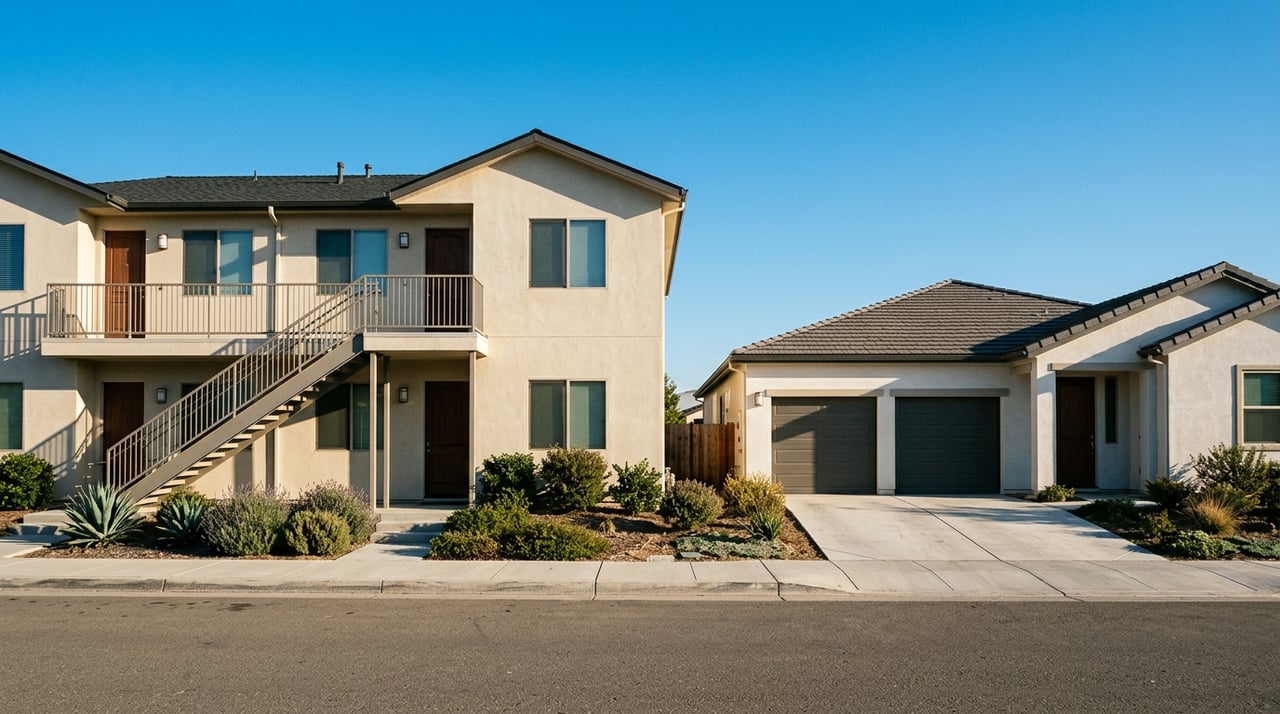
HOAs are different. They are formal legal entities with mandatory dues and private deed restrictions. This can be especially relevant in newer subdivisions and many condo or townhome developments, so it is smart to ask about these details early if rules, fees, or flexibility matter to you.
What this means if you are home shopping
If you work remotely, your home search probably needs to do more than check the usual boxes. You may need enough separation for calls, reliable internet options, room to adapt your layout, and a location that supports how you spend your day. Albuquerque stands out because it offers a mix of practical city features and everyday outdoor access.
The strongest neighborhood for you may not be the most expensive or the trendiest. It may simply be the one that gives you the best blend of space, connectivity, and routine. That is why many remote workers are choosing Albuquerque neighborhoods and tailoring their search around how they actually live and work.
If you are thinking about a move, it helps to have someone who knows how different Albuquerque neighborhoods feel from one block to the next. Carrie Telles offers warm, local guidance for buyers who want a home that supports both work and everyday life. Schedule a free consultation when you are ready to explore your options.
FAQs
Why is Albuquerque appealing for remote workers?
- Albuquerque appeals to remote workers because it offers strong household broadband adoption, free public WiFi in many public spaces, a range of housing price points, access to transit along Central Avenue, and more than 30,000 acres of protected open space.
Which Albuquerque areas may fit hybrid workers?
- Central corridor areas near ART, including parts of Downtown, Nob Hill, East Downtown, Highland, UNM-area locations, and Uptown, may appeal to hybrid workers who want transit access and flexible ways to get around.
How affordable are Albuquerque neighborhoods for remote buyers?
- Albuquerque offers a wide range of price points, with current market data showing Southwest Albuquerque around $320,000, Northwest around $384,900, and Northeast around $400,000, with some zip codes lower or higher depending on location.
What home features matter most for remote work in Albuquerque?
- Many remote buyers focus on layout flexibility, privacy, and noise control, which can make a den, loft, bonus room, or office nook just as useful as a formal office.
What is the difference between an HOA and a neighborhood association in Albuquerque?
- In Albuquerque, neighborhood associations are voluntary and cannot charge mandatory dues, while homeowners associations are formal legal entities with mandatory dues and private deed restrictions.
Does Albuquerque offer backup places to work outside the home?
- Yes. The city provides free public WiFi at parks, libraries, community centers, neighborhood sites, and many ART stations, which can be useful as backup work locations.