Dreaming of mountain views and quick trail access without leaving Albuquerque? Living near the Sandia Foothills can offer a very different daily experience from many other parts of the city. If you are wondering what it is really like, from home styles to pricing to day-to-day tradeoffs, this guide will help you picture the lifestyle more clearly. Let’s dive in.
What makes the Sandia Foothills unique
The Sandia Foothills Open Space sits at the base of the Sandia Mountains and covers about 2,650 acres. According to the City of Albuquerque, the area includes steep-sloped hills, drainages, native shrubs, and wildlife, with elevations ranging from roughly 5,720 to 6,800 feet.
That setting shapes how the area feels. Instead of a dense urban layout, foothills living is more connected to open space, mountain views, and trail access. For many buyers, that is the main draw.
Daily life near the foothills
If you enjoy getting outside regularly, this part of Albuquerque can be especially appealing. The city allows low-impact recreation such as hiking, biking, mountain biking, and horseback riding in the open space.
The trail network is a major part of everyday life here. The Pino and Elena Gallegos trailhead connects to Pino Trail 140, Domingo Baca Trail 230, Foothills Trail 365, and other nearby routes, and the area also includes picnic shelters at Elena Gallegos, Menaul, and Embudo Canyon.
For many people, that means morning trail runs, quick hikes after work, or easy weekend access to the mountains without a long drive. If your ideal routine includes time outdoors, the foothills can make that much easier.
Trail access and open space rules
The Sandia Foothills gates are posted at 7 a.m. to 7 p.m. in winter and 7 a.m. to 9 p.m. in summer. The city also asks visitors to stay on established trails, keep pets leashed, and clean up after dogs.
These rules help protect the landscape and keep the area enjoyable for everyone. If you plan to use the trails often, it helps to know those basic expectations from the start.
What homes near the Sandias look like
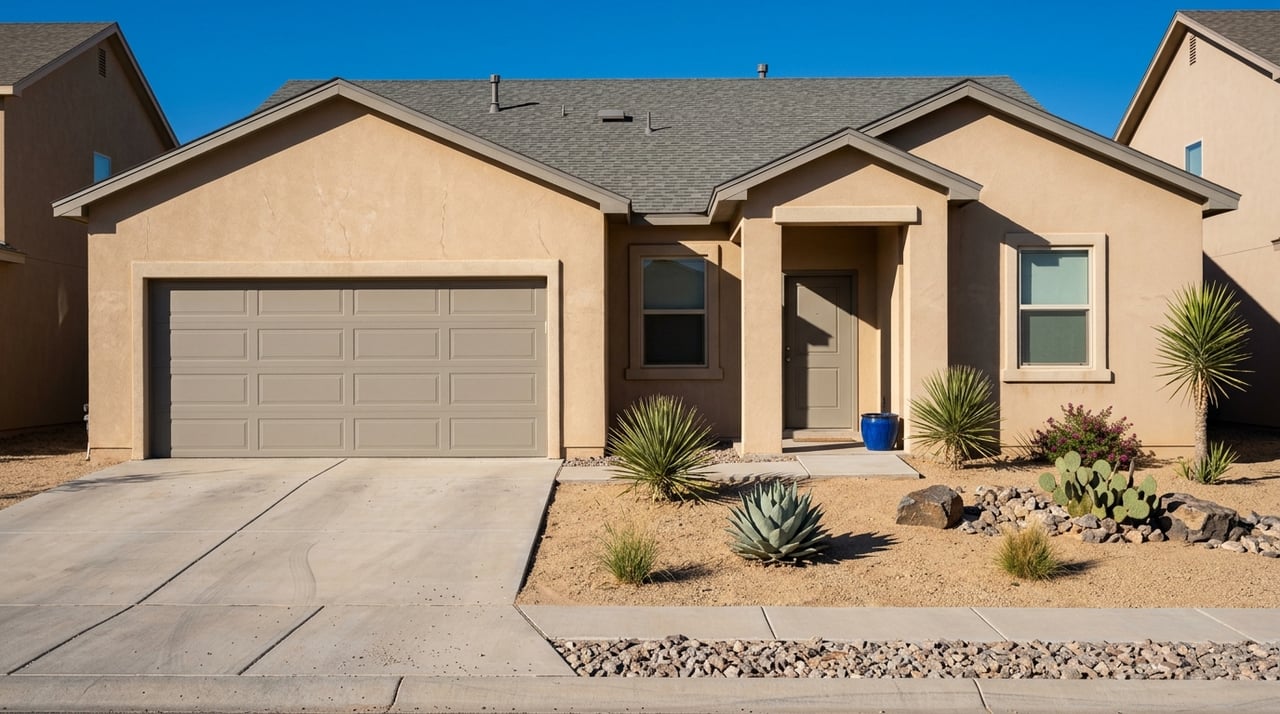
The foothills housing stock tends to feel more custom and less uniform than many other Albuquerque neighborhoods. You will find a mix of mid-century modern, contemporary, southwest architectural, and other one-of-a-kind homes.
Sandia Heights offers a good example of the area’s character. Its resident guide describes it as a residential development of about 1,600 acres with more than 2,200 homes spread across 38 residential units.
Listing examples from the foothills show a wide range of home types and lot sizes. Recent examples include homes on 0.53, 0.64, 0.76, and 0.86 acres, along with a mid-century modern property on 1.87 acres.
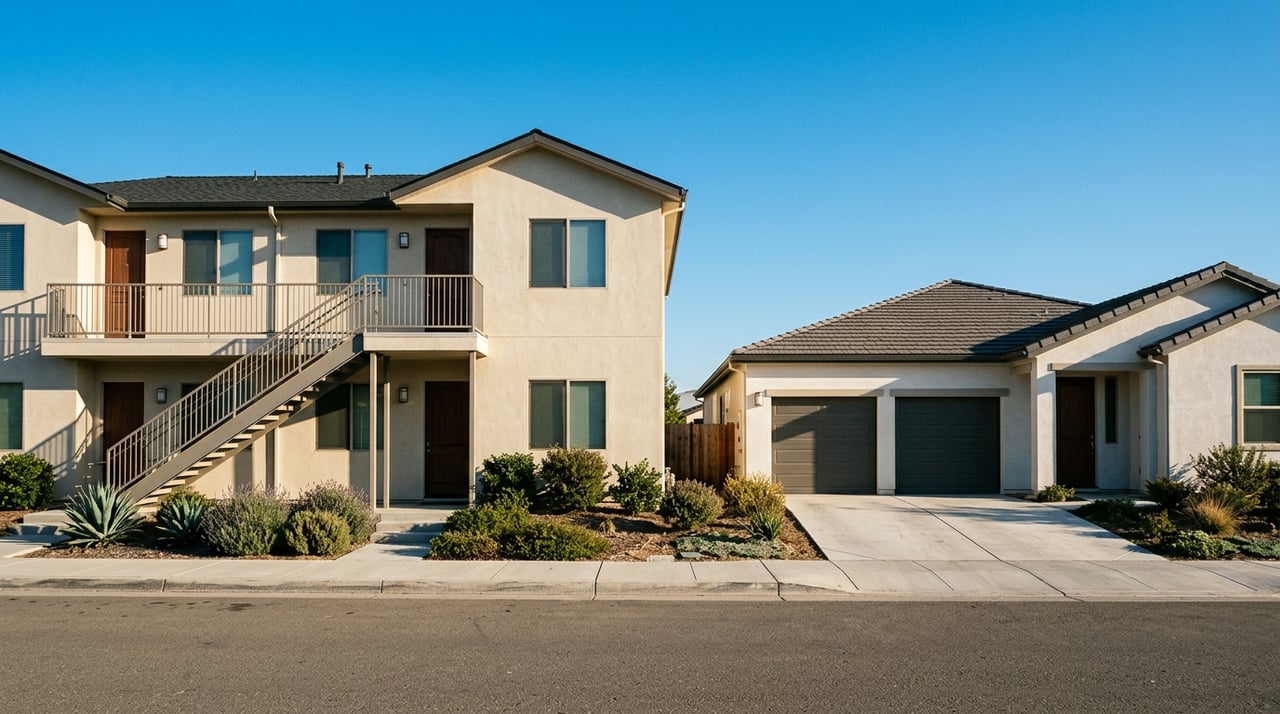
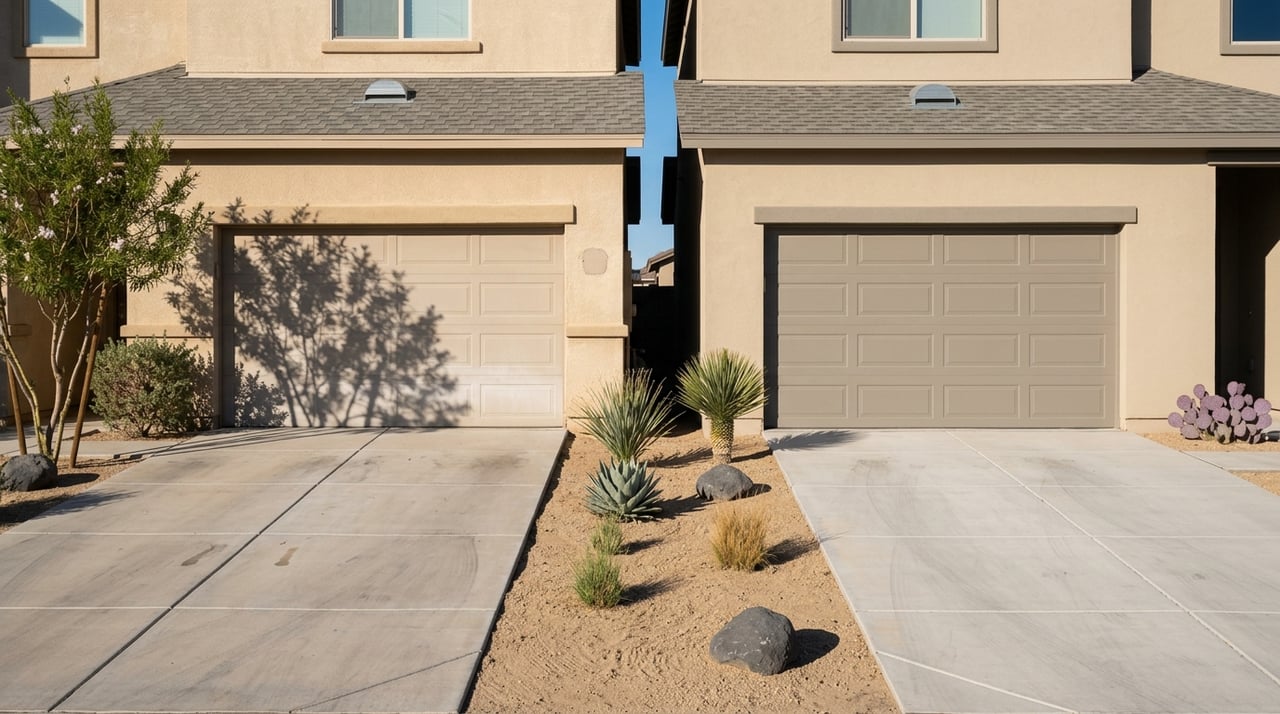
That usually means more separation between homes, stronger view potential, and a setting that feels tied to the terrain. At the same time, attached homes do exist near Tramway, so the foothills are not only made up of large detached luxury properties.
Larger lots and view-oriented design
One reason buyers are drawn to this area is the combination of lot size and views. Many foothills properties are positioned to take advantage of city lights, mountain backdrops, or both.
That can create a strong sense of privacy and openness. It also means the land itself often plays a bigger role in the homebuying decision than it might in flatter, more traditional subdivisions.
Pricing in the foothills market
If you are comparing the foothills to Albuquerque as a whole, expect a premium. Albuquerque’s typical home value was about $346,496 in April 2026, and GAAR reported a detached median sales price of $380,000 that same month.
By comparison, recent neighborhood-level data placed Glenwood Hills around $599,608, Sandia Heights around $811,581, and High Desert around $816,877. Those figures show why the foothills are generally considered a move-up or luxury-leaning submarket.
That said, there can still be different entry points. Smaller attached homes and some older properties may give buyers more options than they expect at first glance.
Is foothills living right for you?
The answer depends on how you want your day-to-day life to feel. If you value open space, larger lots, natural surroundings, and quick access to trails, this area can be a strong fit.
If you want to walk to most errands or prefer a more compact neighborhood layout, the foothills may feel less convenient. This is one of the biggest tradeoffs to think through before you buy.
A simple way to evaluate the area is to picture your normal week. Where do you shop, how often do you go outside, and how important are views, privacy, and lot size compared with being close to everyday services?
Nature is part of the setting
The foothills offer a more natural environment than many parts of the city. The City of Albuquerque notes native shrubs, piñon and juniper, and wildlife that can include mule deer, coyotes, black bear, cougar, and rattlesnakes.
For buyers who love a desert-mountain setting, that can be a huge advantage. It is also important to understand that this is not the same as a fully manicured suburban backdrop.
You may need to be more comfortable with natural terrain, native vegetation, and the realities of living closer to open space. For many residents, that is part of the appeal.
HOA and design review matters
In some foothills communities, property rules are an important part of ownership. In Sandia Heights, the homeowner association states that exterior changes, landscaping, and new construction are subject to architectural review and covenants designed to help preserve open space and views.
The HOA guide also notes that work such as re-roofing, window replacement, painting, driveway changes, solar panels, and landscaping may require written approval before the project begins. That is something many buyers want to understand early in the process.
Before you purchase, it is wise to review whether the home is part of an HOA or covenant-controlled subdivision. This can affect not only your monthly costs, but also what you can change about the property later.
Questions to ask before buying here
When you tour foothills homes, it helps to look beyond the floor plan. A beautiful view or larger lot can be exciting, but the details matter.
Consider asking questions like these:
- How close is the home to trail access?
- Is the property part of an HOA or architectural review system?
- Are there rules about exterior updates or landscaping?
- How much lot upkeep will the property require?
- How does the natural setting affect your comfort level day to day?
These questions can help you match the home to your lifestyle, not just your wish list.
Why local guidance matters
The Sandia Foothills cover a range of neighborhoods, home styles, and price points. Two homes may both be called foothills properties, yet offer very different lot sizes, rules, views, and daily routines.
That is why local guidance matters so much here. When you have someone helping you compare not just price, but also access, setting, upkeep, and long-term fit, you can make a more confident decision.
If you are thinking about buying or selling near the foothills, working with someone who understands Albuquerque neighborhood differences can save you time and reduce stress. If you want help exploring the Sandia Foothills lifestyle or finding the right fit for your goals, reach out to Carrie Telles for a free consultation.
FAQs
What is it like living near the Sandia Foothills in Albuquerque?
- Living near the Sandia Foothills often means more access to open space, mountain views, trails, and a natural desert-mountain setting than you may find in other parts of Albuquerque.
Are homes in the Sandia Foothills more expensive than Albuquerque overall?
- In general, yes. Recent data shows foothills neighborhoods such as Glenwood Hills, Sandia Heights, and High Desert priced above Albuquerque’s overall home value and detached median sales price.
What kinds of homes are common near the Sandia Foothills?
- You will often see custom-style homes, including mid-century modern, contemporary, southwest architectural, and other unique designs, along with some attached homes near Tramway.
Are there HOA rules in Sandia Foothills neighborhoods?
- Some communities have HOA or covenant rules. In Sandia Heights, for example, certain exterior changes and landscaping projects may require written architectural approval before work begins.
Is the Sandia Foothills area good for hiking and outdoor recreation?
- Yes. The area offers access to a large open-space system with established trails for hiking, biking, mountain biking, and horseback riding.
What should buyers know about the natural setting near the Sandia Foothills?
- Buyers should expect native vegetation, varied terrain, and wildlife associated with a desert-mountain environment, rather than a fully manicured suburban setting.