Thinking about selling your Albuquerque home and wondering if staging is really worth it? In a market where buyers often compare many homes online before they ever book a showing, how your home looks in photos and in person can shape the entire selling experience. The good news is that staging does not have to mean a full redesign. It usually means helping your home feel clean, open, and easy for buyers to imagine as their own. Let’s dive in.
Why staging matters in Albuquerque
Professional staging is not about making your home look fancy. It is about helping buyers understand the space, the layout, and how daily life could work there. That matters because buyers are often making quick decisions based on listing photos, virtual browsing, and short in-person tours.
According to the National Association of Realtors 2025 Profile of Home Staging, 83% of buyers’ agents said staging made it easier for buyers to visualize a property as a future home. The same report found that 49% of sellers’ agents said staging reduced time on market, and 29% reported a 1% to 10% increase in the dollar value offered. Those are meaningful results for a step that is often more about editing than spending big.
Staging also supports the online side of your sale. NAR reported that buyers’ agents expected clients to view a median of 20 homes virtually and eight in person. Sellers’ agents also said listing photos, video, and physical staging matter to clients, which shows how closely your first online impression connects to your first showing.
Albuquerque buyers still compare carefully
Even when demand is steady, presentation still matters in the Albuquerque area. Realtor.com’s March 2026 data showed Bernalillo County at a median of 53 days on market, a 99% sale-to-list ratio, and a median listing price of $389,000. For Albuquerque, the same source showed 52 days on market, a 99% sale-to-list ratio, and a median listing price of $380,000.
GAAR’s April 2026 metro report showed somewhat faster movement across the Greater Albuquerque area, with all properties averaging 37 days on market and detached homes averaging 38 days. The median sales price was $372,500 overall, and detached homes had a median sales price of $380,000. Inventory was also down year over year, but homes still needed to compete for attention.
The exact numbers vary by source and timeframe, but the bigger point stays the same. Buyers have options, and your home has to stand out for the right reasons. In this kind of market, staging can help your listing look more move-in ready, more spacious, and more memorable.
What staging really includes
When you hear “professional staging,” you might picture truckloads of furniture and expensive decor. Sometimes that happens, but often the most effective work is much simpler. Staging usually focuses on cleaning, decluttering, repairing, depersonalizing, and updating the way each room is presented.
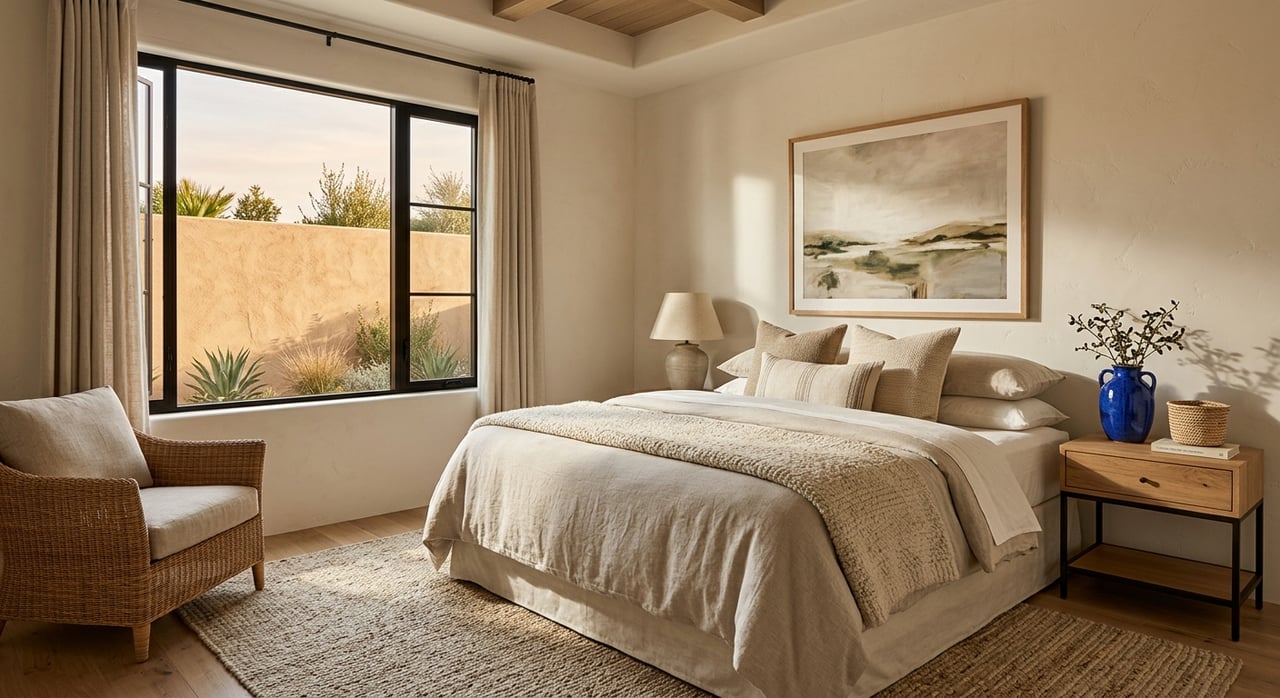
That can mean removing oversized furniture, clearing off counters, putting away personal photos, and using more neutral colors and accessories. It can also mean fresh towels, simple bedding, and a cared-for entry that gives buyers a strong first impression. In many cases, the goal is not to add more. It is to remove distractions.
For many Albuquerque homes, this approach fits naturally. Clean lines, warm neutrals, and uncluttered rooms tend to photograph well and help buyers focus on the home itself instead of the current owner’s style.
Rooms to stage first
If you do not want to stage every room, start with the spaces that usually shape buyer impressions the most. NAR’s 2025 survey found that buyers’ agents most often said the living room had the biggest impact, followed by the primary bedroom and kitchen. Sellers’ agents also reported staging those rooms most often, along with the dining room.
Here are the areas to prioritize first:
- Living room
- Primary bedroom
- Kitchen
- Dining room
- Office, flex room, or bonus room
- Entryway
These spaces help buyers understand how the home flows and how they might use it. If a room feels crowded, unclear, or too personal, buyers may struggle to connect with the property even if the square footage is right.
The best low-cost staging updates
You do not always need a large budget to make a noticeable difference. In fact, some of the most helpful changes are also the most affordable. NAR’s seller guidance repeatedly points to decluttering, deep cleaning, and curb appeal as top priorities.
If you want the biggest impact without over-improving, focus on these steps:
- Remove personal photos and highly specific decor
- Deep clean the whole home
- Clear kitchen and bathroom counters
- Thin out closets so they look only partly full
- Remove bulky or extra furniture
- Freshen bedding and towels
- Touch up scuffed paint with neutral tones
- Make the front entry clean and inviting
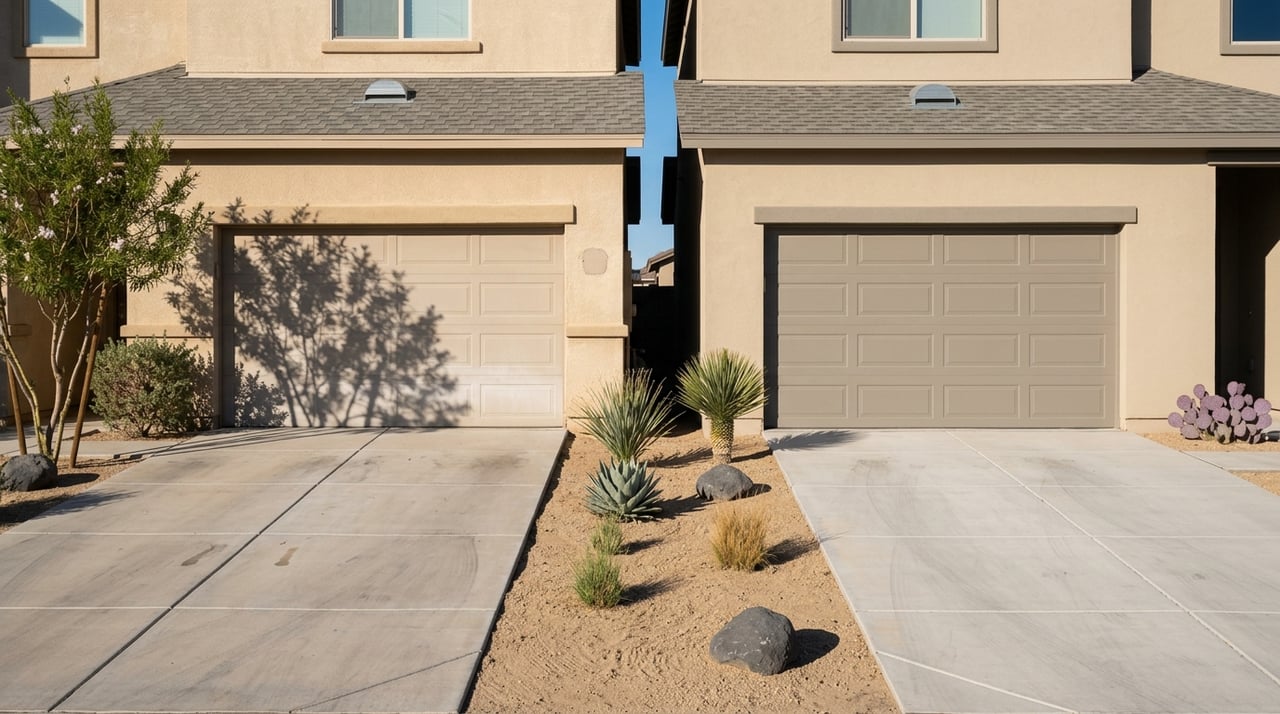
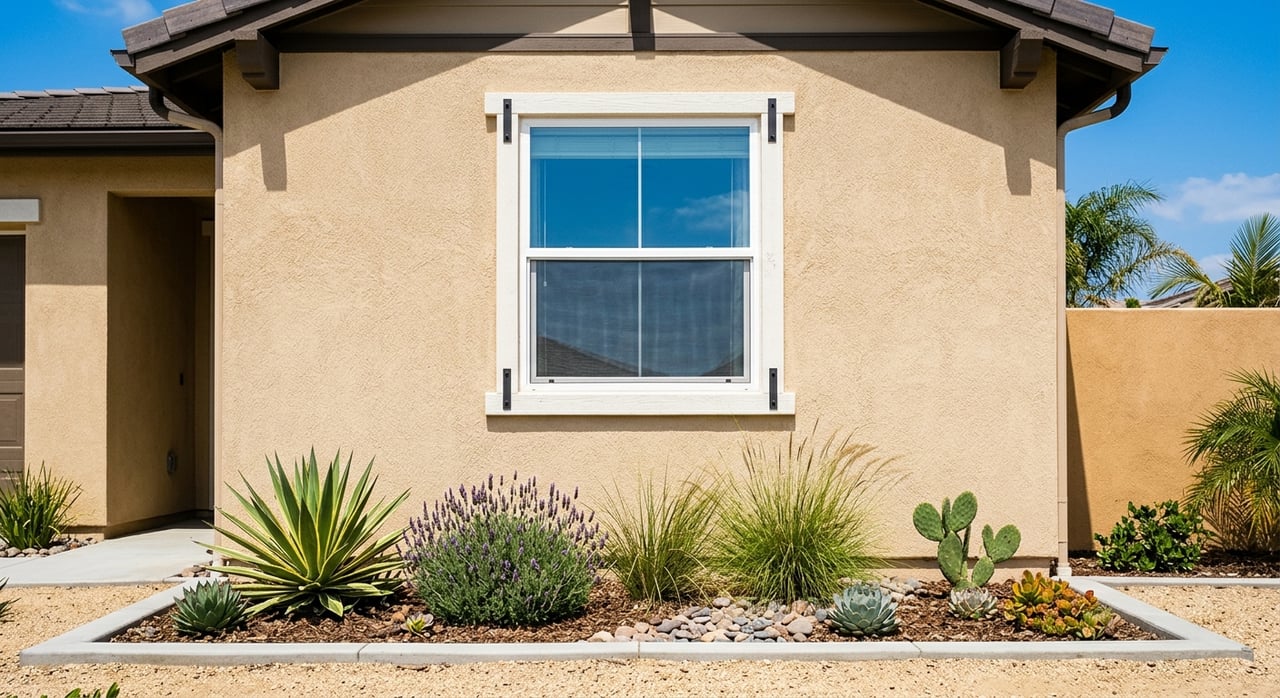
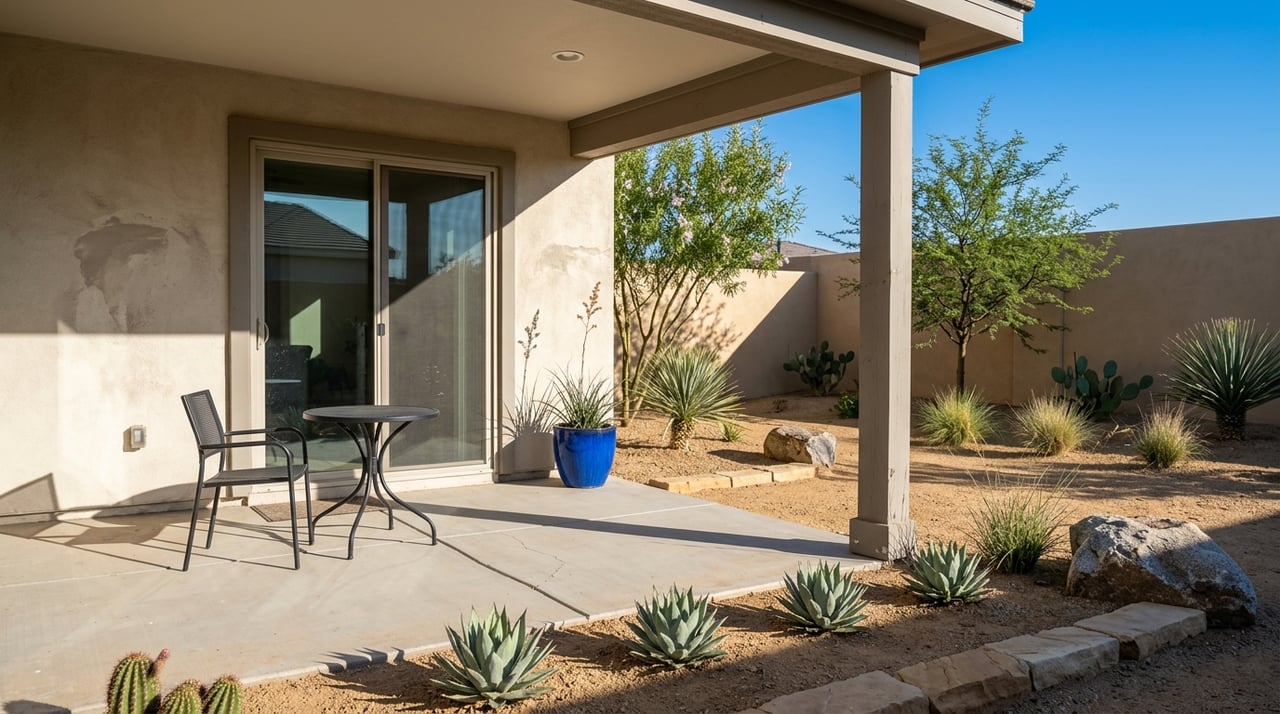
- Tidy landscaping and visible outdoor areas
These changes help rooms feel larger, cleaner, and easier to understand. They also support better listing photos, which is especially important since so many buyers begin their search online.
Common staging mistakes to avoid
Staging works best when it feels simple and intentional. It can backfire when sellers try to do too much or skip the basics. Buyers tend to notice clutter, poor cleaning, and distracting decor faster than sellers expect.
NAR guidance warns against several common issues, including overcrowding rooms, neglecting cleanliness, ignoring the entryway, and using bold colors that pull attention away from the home itself. Political or religious decor can also make it harder for buyers to picture the space as theirs.
A good rule is to make the home feel welcoming but not personalized. You want buyers to notice the light, layout, storage, and condition, not your collections or furniture arrangement challenges.
When professional staging makes the most sense
Not every home needs the same level of help. Some homes are already clean, updated, and well arranged, so a lighter staging consultation may be enough. Others benefit from more hands-on support, especially if rooms feel crowded, dated, or hard to photograph.
Professional staging can be especially useful if:
- Your home is vacant
- Your furniture is oversized for the space
- The layout is unusual or hard to interpret
- Rooms have multiple uses that may confuse buyers
- Listing photos need stronger visual appeal
- You want guidance on what to keep, remove, or refresh
For vacant homes or spaces with tricky layouts, virtual staging can also help buyers understand scale and purpose. NAR describes virtual staging as software-based furniture and decor placement, and it notes that material photo enhancements should be disclosed.
How a staging-focused agent helps
Selling a home involves many moving parts, and staging should support the full plan rather than become a stressful side project. A staging-focused agent can help you decide whether you need full in-person staging, a consultation, virtual staging, or a practical do-it-yourself plan.
That kind of guidance matters because you want to spend money where it actually improves presentation. If your budget is limited, the biggest wins often come from decluttering, deep cleaning, and curb appeal rather than expensive renovations. NAR’s 2025 survey found that decluttering was the most commonly recommended improvement, followed by entire-home cleaning and curb appeal.
This is where a hands-on local agent can make the process feel more manageable. You get honest advice about what buyers are likely to notice, what is worth doing before listing, and what you can skip.
Staging is part of your marketing
It helps to think of staging as a marketing tool, not just a design choice. Your photos, video, showings, and buyer reactions all build on the way your home is presented from the start. If a room looks brighter, more open, and more functional, buyers are more likely to book a showing and remember the home afterward.
For Albuquerque sellers, that can be especially important in a market where homes are not selling on presentation alone but are still competing side by side. A well-staged home can create a stronger first impression, support better photography, and help buyers feel more confident about making an offer.
The goal is simple. Make it easy for buyers to see the home, understand the space, and imagine living there.
If you are getting ready to sell and want clear, local advice on how to prepare your home, Carrie Telles offers warm, hands-on guidance with a strong focus on staging, presentation, and smart pre-listing strategy.
FAQs
How does professional staging help Albuquerque homes sell?
- Professional staging helps buyers picture themselves in the home, improves listing photos, and can help reduce time on market. NAR’s 2025 staging report also found that some sellers’ agents saw higher offers on staged homes.
What rooms should sellers stage first in Albuquerque homes?
- Start with the living room, primary bedroom, and kitchen. Dining rooms, entryways, and flex spaces can also make a strong difference when buyers are trying to understand layout and function.
Is professional staging worth it for an occupied Albuquerque home?
- Often, yes. Occupied homes can benefit from decluttering, furniture edits, depersonalizing, and photo-ready styling, especially if rooms feel crowded or dated.
Can Albuquerque sellers stage a home without a big budget?
- Yes. Low-cost improvements like deep cleaning, decluttering, neutral touches, better bedding, and stronger curb appeal can go a long way.
Does virtual staging help vacant homes in Albuquerque?
- It can. Virtual staging can help buyers understand room scale and possible furniture placement, especially in vacant homes or homes with unusual layouts.