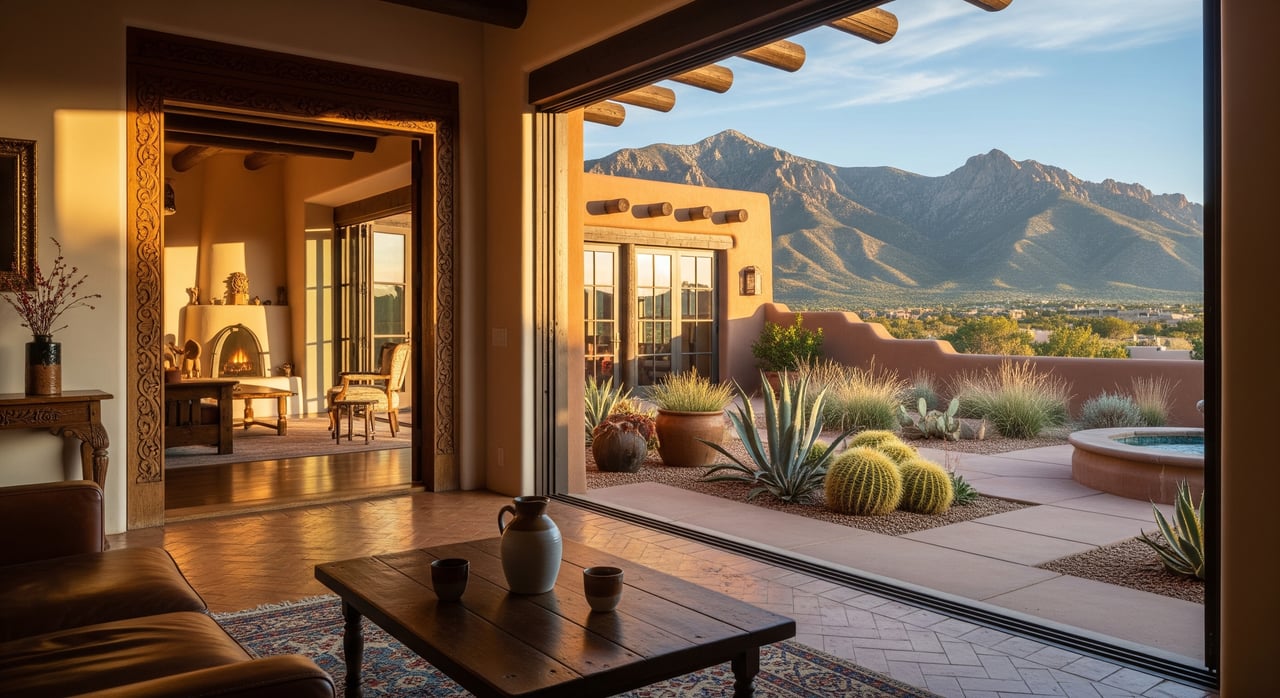
What does a normal Tuesday feel like in Albuquerque? Picture bright blue skies, a quick commute with mountain views, and dinner that includes green or red chile. If you’re weighing a move, you want more than pretty photos. You want the rhythms, tradeoffs, and small practical details that shape daily life. In this guide, you’ll learn how people get around, how the weather affects your routine, what neighborhoods feel like, and simple tips that help you settle in. Let’s dive in.
Big-picture snapshot
Albuquerque is the largest city in New Mexico and the hub for central New Mexico. The city sits in the Rio Grande valley at over 5,000 feet, with the Sandia Mountains rising to the east. That elevation means strong sun, cool nights, and big skies.
Major employers include the University of New Mexico, Sandia National Laboratories, Kirtland Air Force Base, and several healthcare systems. These institutions shape work schedules, housing demand, and cultural calendars. You’ll feel their influence in commute patterns, event schedules, and neighborhood activity.
Daily rhythms by lifestyle
Daily life feels a touch slower than large coastal cities. People plan around the sun and spend time outdoors. Weekends tend to revolve around hikes, local markets, and casual meals with chile at the center.
Commuter families in suburbs
Many families drive to work and school, then head to parks or trailheads in the evening. You’ll often cook simple dinners at home, with red or green chile in the mix. Weekend mornings might include kids’ activities, errands, and an early hike to beat the heat in summer.
Young professionals in Nob Hill/Downtown
If you live near Central Avenue, your mornings may include a short walk for coffee and a quick commute. Evenings bring restaurants, live music, and small venues. Weekends are for gallery walks, bike rides along the Bosque, or watching hot air balloons float overhead in fall.
Retirees or remote workers in the North Valley
Late mornings, local errands, and yard time are common. The North Valley has a semi-rural feel, with orchards, gardens, and acequia irrigation in some areas. Community volunteer activities and neighborhood markets add to the weekly rhythm.
Getting around Albuquerque
Albuquerque is generally car-centric. Most residents rely on personal vehicles for work, school, and errands. Commutes are usually moderate, with peak slowdowns on I-25, I-40, Unser, and Coors.
Public transit includes ABQ RIDE buses and the ART rapid line along Central Avenue. The New Mexico Rail Runner Express connects Albuquerque to Santa Fe and south to Belen, which can be useful for occasional commuters and weekend trips. The Albuquerque International Sunport offers regional and medium-haul flights.
Walking and biking thrive in pockets. Nob Hill, Old Town, and parts of Downtown are more walkable, while the multi-use trail along the Rio Grande (the Bosque) supports biking, running, and long walks. Outside these areas, daily life often depends on a car.
Climate and seasons you’ll feel
Albuquerque has a high-desert climate with lots of sun and low humidity. Expect big day-to-night temperature swings.
- Spring: Pleasant mornings and evenings. Winds can pick up, and dust may be noticeable at times.
- Summer: Hot afternoons with generally low humidity. The July–August monsoon season brings short afternoon thunderstorms and dramatic lightning, which can change outdoor plans quickly.
- Fall: Warm days, cool nights, and the Albuquerque International Balloon Fiesta in October. Traffic patterns shift during event mornings, and the city feels festive.
- Winter: Mild in the city with occasional snow or freezing nights. The mountains get more snow, and occasional inversions can affect air quality.
Practical tips:
- Carry sun protection and water year-round. The altitude makes UV exposure stronger.
- Plan hikes and yard work for mornings or evenings in summer.
- Many homes use central A/C, and some older homes rely on evaporative cooling in dry months.
Housing and neighborhoods
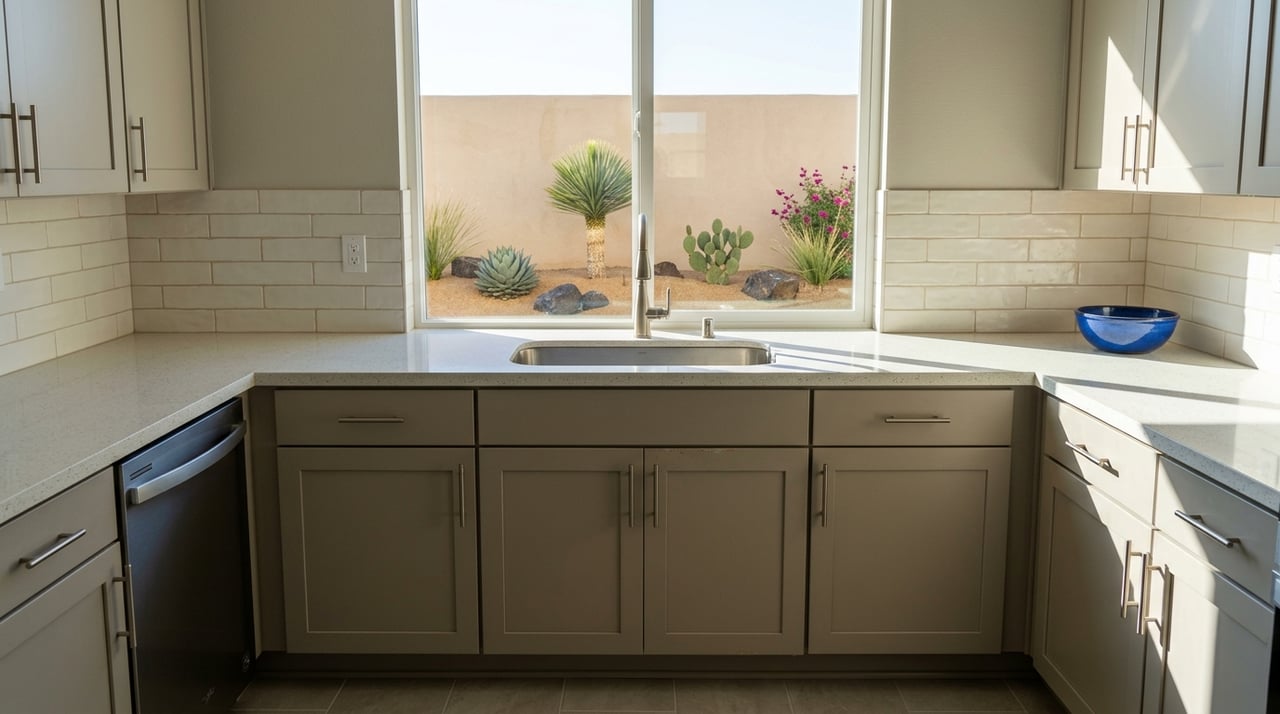
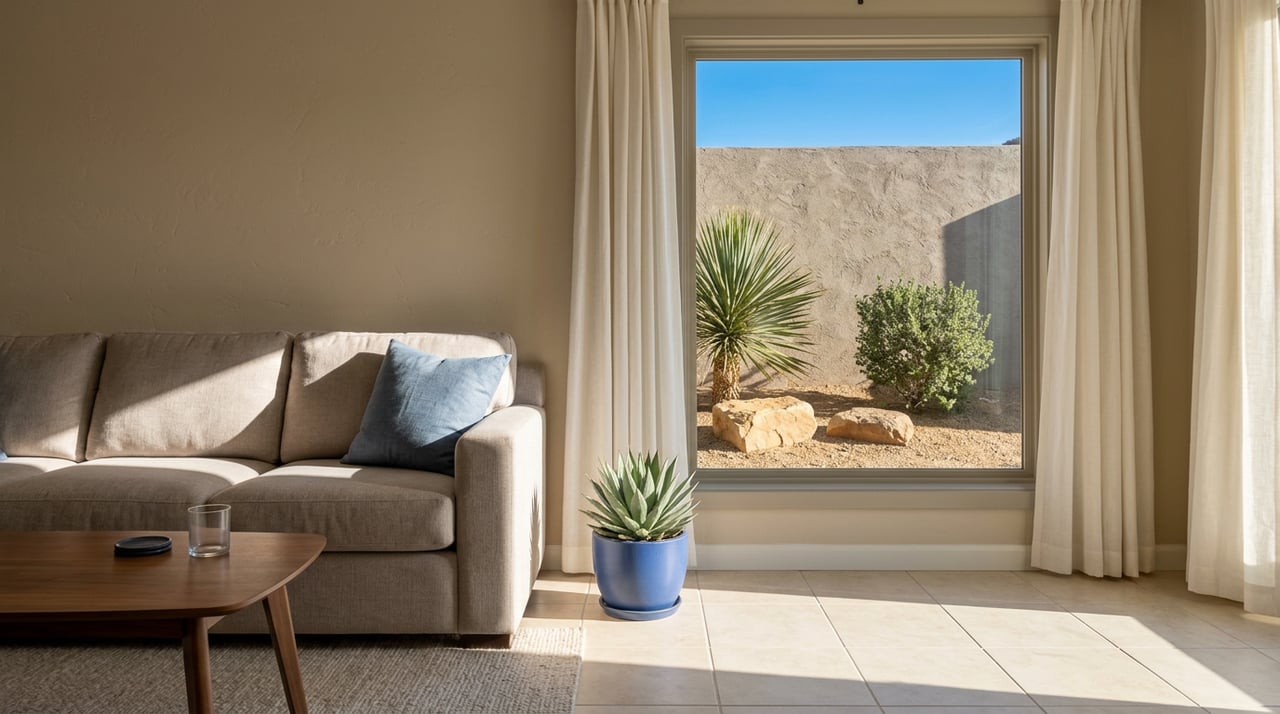
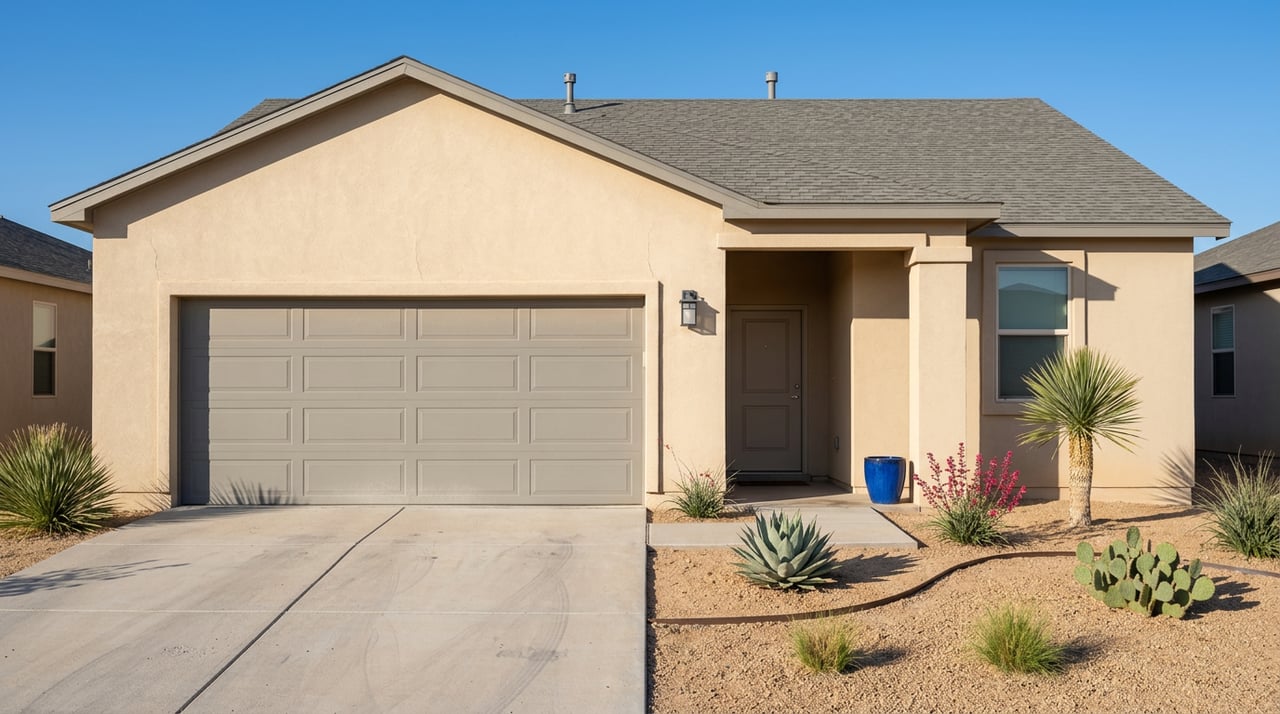
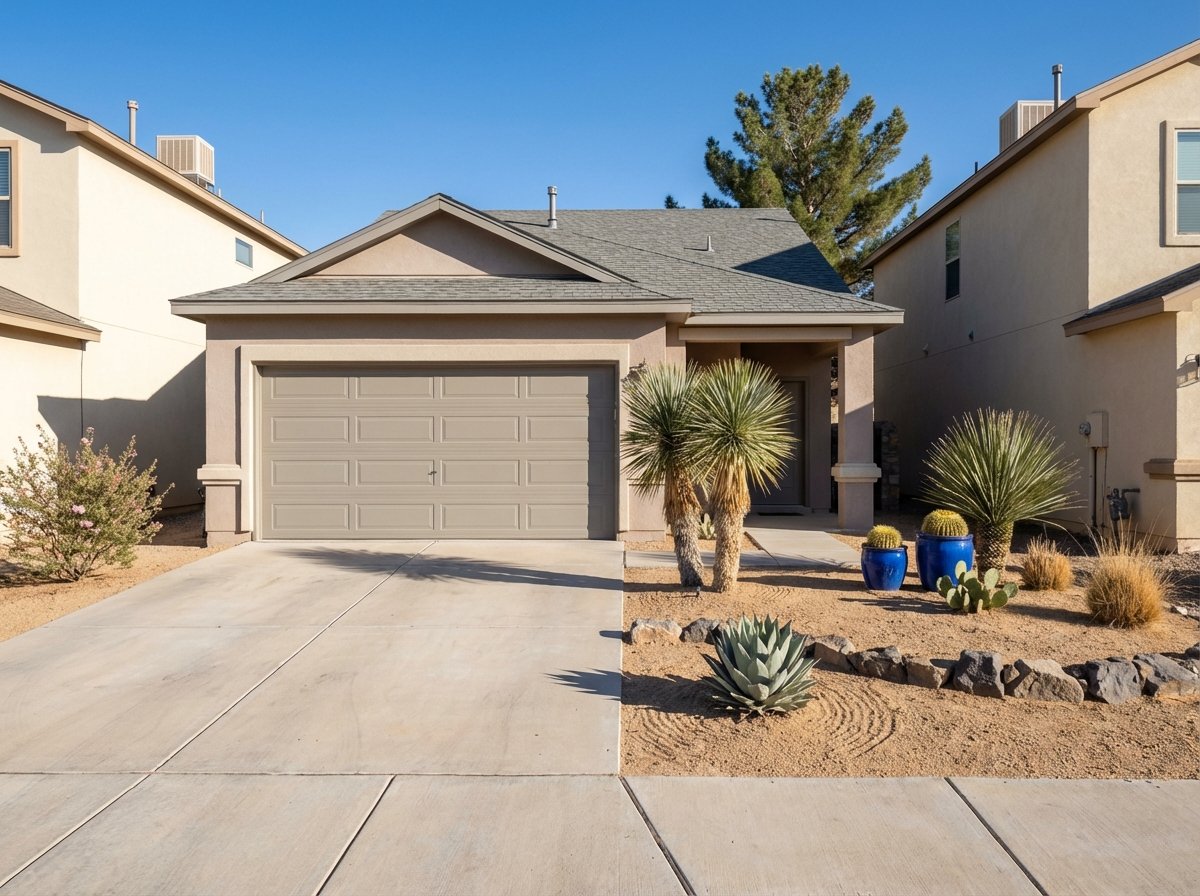
You’ll see classic Southwestern adobe and Pueblo Revival styles with stucco and earth tones. Ranch, mid-century, and modern suburban homes are common across the metro. Central neighborhoods often have smaller lots and walkable corridors, while outer areas offer larger lots and newer construction.
Neighborhood snapshots:
- Nob Hill: A walkable stretch of the old Route 66, with restaurants, bars, and vintage shops.
- Downtown: Civic and arts center with a growing residential mix and an urban feel.
- Old Town: Historic plazas and museums, compact streets, and a sense of place.
- North Valley: Semi-rural character, larger lots, and an agricultural legacy.
- NE Heights: Suburban layout with parks and established residential streets.
- Westside and South Valley: Broad mix of housing, including many options with value-focused budgets.
- Rio Rancho (adjacent): A large suburban community to the northwest with ongoing development.
Affordability varies by neighborhood and home type. If you are planning a move, compare commute needs, lot sizes, and proximity to amenities as much as price.
Culture, food, and weekly life
You’ll feel strong Hispanic and Native American influences in food, art, and festivals. Local diners and taquerias sit alongside farm-to-table restaurants. Everyday meals often include New Mexican staples like red or green chile, enchiladas, and breakfast sopapillas.
Weekend routines often include farmers markets, artisan fairs, and community events. The arts scene offers museums, galleries, live theater, and plenty of local music. A craft brewery culture adds to casual evenings out.
Outdoors and recreation
Outdoor life is a big draw. The Sandia foothills provide quick access to hiking and mountain biking. The Rio Grande Bosque delivers miles of shaded trails for running and cycling. In winter, higher elevations outside the city offer skiing and snow play. Many residents plan their weekends around morning hikes, desert views, and sunset picnics.
Safety, schools, and practical matters
Safety varies by neighborhood. Albuquerque’s overall crime rates have been higher than the national average, but the experience is very local. If safety is a priority, review neighborhood-level police data, FBI resources, and talk with community associations to understand trends on a block-by-block basis.
Albuquerque Public Schools (APS) is a large district with mixed outcomes. Charter and private options are part of the landscape. If schools matter for your decision, consider researching state performance data, visiting schools, and speaking with local families to understand fit.
Air quality can fluctuate during winter inversions and summer ozone or wildfire smoke events. Dust and wind can be noticeable in certain seasons. If you have respiratory sensitivities, follow public health guidance and keep an eye on seasonal patterns.
Utilities, home care, and sustainability
With abundant sun, solar potential is strong. Many homeowners explore panels with local installers and incentives. Water-wise landscaping, or xeriscaping, is common and fits the climate.
Heating is often electric or natural gas. Because nights can be chilly year-round at altitude, insulation and efficient windows make a difference. If you’re buying, ask about cooling type, window age, and roof condition, especially on flat-roof homes.
Pros and considerations
Pros:
- Easy access to trails, mountains, and desert landscapes.
- Distinctive culture, food, and community events.
- Slower pace than many large metros, with plenty of sun.
Considerations:
- Car dependence in many areas and limited late-night transit.
- Hot summer afternoons and sudden monsoon storms.
- Air quality variability and the need for neighborhood-level safety research.
Quick tips for newcomers
- Give yourself time to acclimate to altitude. Hydration helps.
- Plan outdoor activities for mornings or evenings in summer.
- If you want a walkable lifestyle, focus on Nob Hill, Old Town, or parts of Downtown.
- Build flexible plans during monsoon season; storms can pop up fast.
- For families, research schools directly and visit campuses.
Start your neighborhood search
Choosing the right neighborhood comes down to your routine. Do you need a quick commute, a garden-ready lot, or a walkable café scene? A local guide can help you connect the dots between your daily needs and the city’s diverse pockets.
If you’re exploring Albuquerque or nearby communities like Rio Rancho, Los Lunas, or Edgewood, let’s talk about your timeline and wish list. From new-construction insights to staging advice for a sale, you’ll get patient, hands-on support and the marketing reach of a team. Ready to see how your day-to-day can look here? Reach out to Carrie Telles to schedule a free consultation.
FAQs
Is Albuquerque safe for day-to-day living?
- Safety varies by neighborhood; review local police data and FBI resources, visit areas at different times, and talk with residents to understand what daily safety feels like on specific blocks.
Do I need a car in Albuquerque?
- Most people use a car for work, errands, and school; walkable living is possible in central neighborhoods like Nob Hill, Old Town, and parts of Downtown, and buses and the Rail Runner support select routes and trips.
How hot or cold does Albuquerque get?
- Expect hot afternoons and cool nights in summer, a July–August monsoon season with afternoon storms, mild winters in the city with occasional freezes, and more snow in the surrounding mountains.
What are Albuquerque schools like?
- Albuquerque Public Schools is large with varied outcomes, and charter and private options exist; research state performance data, tour schools, and speak with local families to find the best fit for your student.
How is the job market in Albuquerque?
- Major employers include the University of New Mexico, Sandia National Laboratories, Kirtland Air Force Base, and healthcare systems, with growth in tech, film, and renewables; review current reports for up-to-date opportunities.