Thinking about moving to Albuquerque from out of state? You are not alone. The city offers a friendly cost of living, a manageable commute, and a mix of neighborhoods that fit many lifestyles. In this guide, you will learn how the metro is laid out, what the housing market looks like, how to plan your commute, what the climate means for home maintenance, and which steps make your move smooth. Let’s dive in.
Why Albuquerque works for newcomers
Albuquerque gives you big-city services with a right-sized feel. The city has about 560,300 residents, with roughly 671,700 across Bernalillo County, which supports robust services and amenities for daily life. The average commute lands around 22 to 23 minutes, according to U.S. Census QuickFacts, so most buyers can prioritize neighborhood features without sacrificing too much time in traffic.
On pricing, different trackers report slightly different numbers. The metro’s annual median sales price for 2025 came in at about $370,000, per the Greater Albuquerque Association of REALTORS annual market statistics. Other trackers show medians in the mid‑$300s and days on market that vary by price point and area. The key takeaway is that you should look at a range and match it with neighborhood specifics and your wish list.
How the city is laid out
Albuquerque follows the Rio Grande north to south, with the Sandia foothills to the east and the West Mesa to the west. That topography shapes commute patterns, microclimates, and even yard sizes. As you shortlist areas, compare where you will work with where you want to spend free time.
East, valley, and west explained
- East foothills and Northeast Heights: Higher elevation, many single‑family homes from mid‑century to newer builds, easy access to trails, and strong suburban conveniences.
- North Valley: Larger lots and a semi‑rural feel in some pockets, with proximity to the river and mature landscaping.
- Westside: Newer subdivisions, varied price points, and tradeoffs between home size and drive time depending on where you work.
- Downtown, Old Town, University/Nob Hill: More walkable nodes with cafés, local shops, and older housing styles.
- South Valley: A mix of lot sizes and established neighborhoods, with quick access to central corridors.
- Nearby East Mountains and adjacent communities: Tijeras, Cedar Crest, Placitas, and Rio Rancho add more options if you are open to a commute for more space or a different setting.
Neighborhood snapshots to compare
- Nob Hill and the University area: Walkable retail and dining with classic bungalow, Pueblo Revival, and mid‑century homes.
- Northeast Heights: Broad mix of single‑family homes, parks, and established streets; easy access to Tramway and I‑25.
- North Valley: Larger lots and a distinct agricultural character in places; confirm floodplain details if you are near the river.
- Westside and parts of Rio Rancho: Newer builds, planned communities, and larger homes per dollar; study your bridge and arterial routes.
- Downtown and Old Town: Historic charm, cultural attractions, and quick freeway access.
Commute and transit tips
Most residents drive, and the street grid centers on two interstates. I‑25 runs north to south, while I‑40 crosses east to west. Arterials such as Central Avenue, Coors, Unser, Paseo del Norte, and Tramway shape cross‑town trips. Map your daily destinations at peak hours to pick the right side of the river.
Public transit options
Albuquerque’s bus network, ABQ RIDE, currently operates with a zero‑fare policy citywide, which can lower monthly costs if you ride often. You can review current routes and recent service changes on the city’s transit page about ABQ RIDE schedule updates. For regional commutes, the New Mexico Rail Runner Express connects Albuquerque to Santa Fe and south to Belen. If you plan to work near a station, check Rio Metro’s Rail Runner schedules and stations for timing and last‑mile options.
Climate and what it means for homes
High‑desert climate in practice
Albuquerque sits at about 5,300 feet, which means strong sun, low humidity, and notable day‑night temperature swings. The North American monsoon brings localized thunderstorms from roughly July through September, and winters can be cold at night with occasional snow. For a quick overview, see the National Weather Service’s summary of Albuquerque climate highlights. Plan on sun protection, efficient HVAC, and simple steps like shading and ventilation to keep energy use in check.
Common construction and maintenance
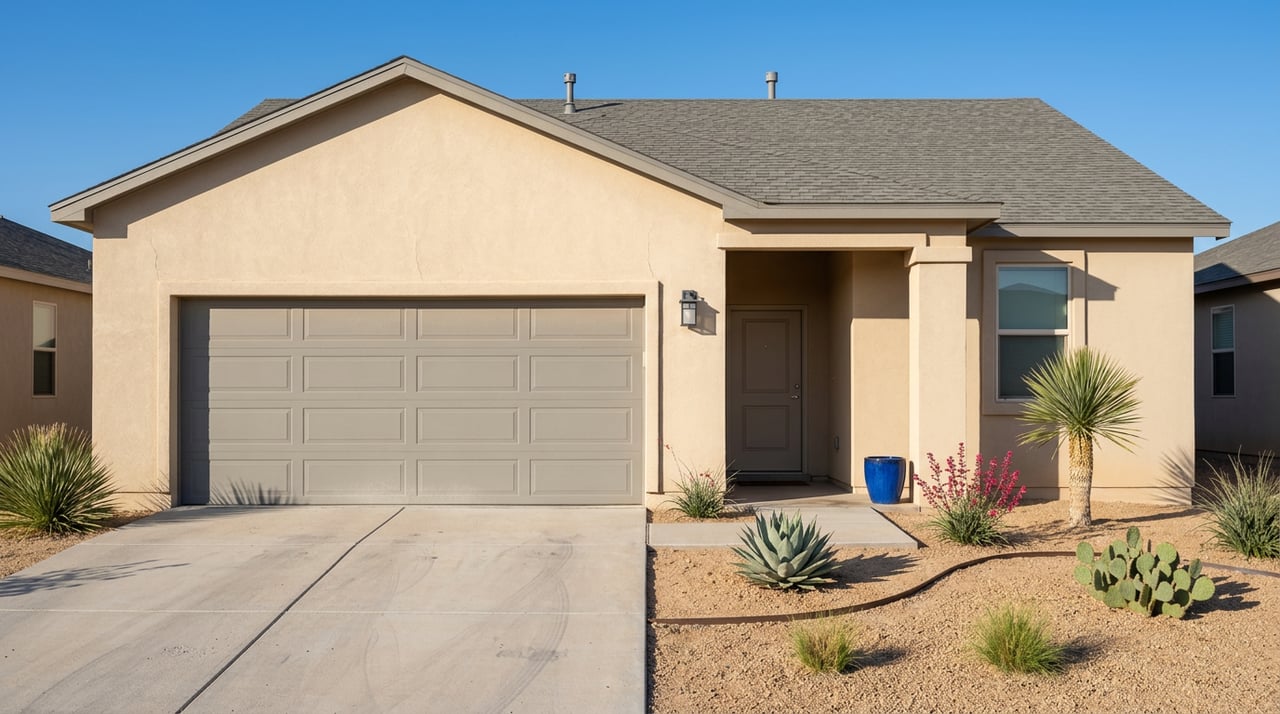
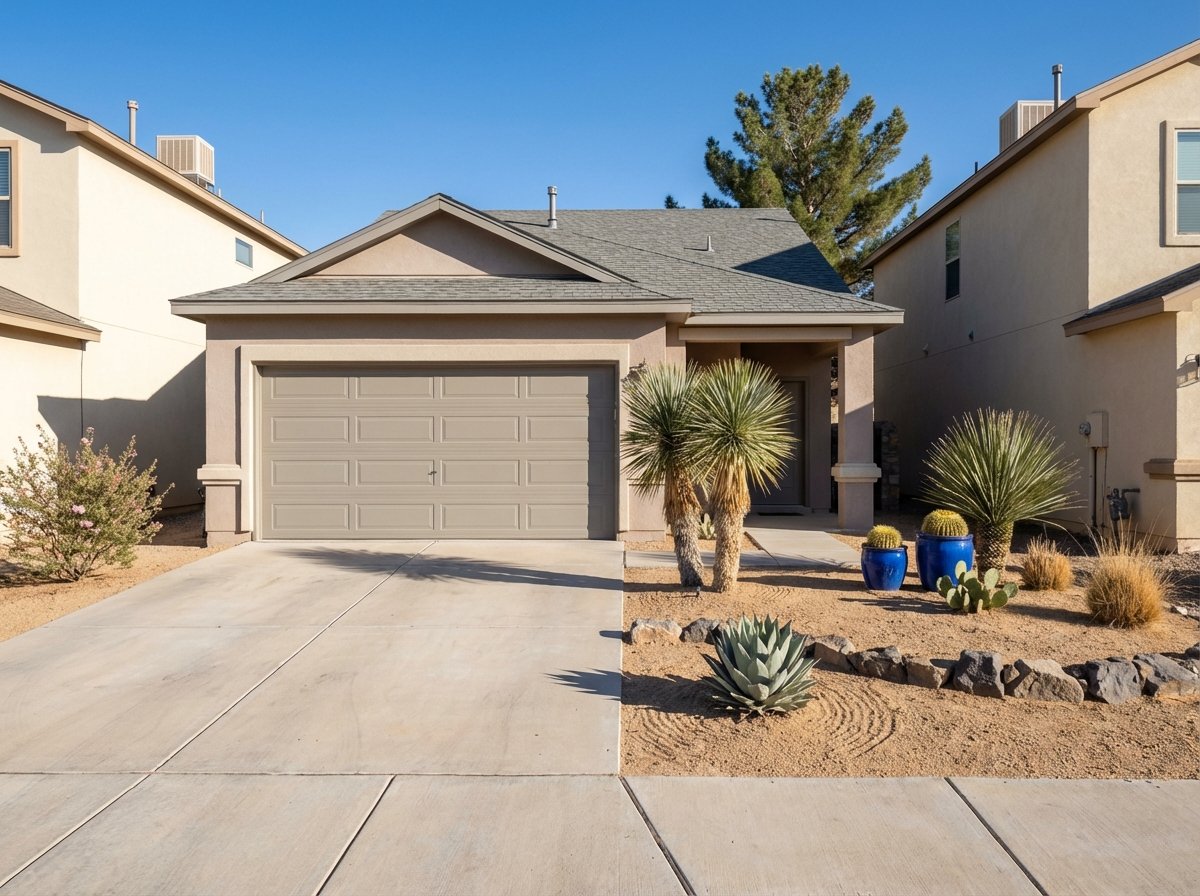
Stucco exteriors and Pueblo‑influenced architecture are everywhere. These finishes look great in the desert light, but they need periodic inspection for cracking and moisture control. Many homes use evaporative cooling, refrigerated air, or a combination system; ask your inspector to evaluate performance and ductwork. Roofing types vary, so a roof inspection is wise, especially on older or flat‑roof sections.
Energy service is provided by PNM across most of the metro. If you are buying, plan to set up or transfer service through PNM’s residential pages. Good insulation and smart thermostats go a long way because summer days can be warm while nights cool down fast.
Everyday setup checklist
Here is a quick list you can use once you are under contract or planning your move:
- Electricity: Confirm provider and schedule start dates through PNM. Request a final meter read from the seller when possible.
- Water and sewer: Inside most of the city, the Albuquerque Bernalillo County Water Utility Authority manages service and conservation programs. Review connection details and rebates on the ABCWUA site.
- Internet: Options vary by address. Run an address check with local ISPs during your inspection period to confirm speeds and pricing.
- Trash and recycling: Verify provider and pickup schedule with the seller or your property’s municipality.
- Schools: Albuquerque Public Schools is the primary district in the city. School quality varies by attendance zone. If schools matter to you, review APS boundaries and contact the district directly for enrollment steps.
- Healthcare access: Albuquerque is home to the University of New Mexico Hospital and multiple specialty centers. If proximity matters, map your clinic or hospital against your short list of neighborhoods.
- Safety: Crime rates vary by neighborhood and block. For a neutral snapshot and links to official data, review crime statistics aggregations for Albuquerque and compare them with APD resources and the FBI Crime Data Explorer.
Buying from out of state: step‑by‑step
Use this sequence to make your timeline clear and your offer stronger:
Decide priorities. Rank price band, your top three neighborhoods, commute limits, and must‑have features. If schools matter, include attendance zones on your map.
Get pre‑approved. Choose a lender familiar with New Mexico property taxes, insurance nuances, and local loan programs.
Hire a local buyer’s agent. A local advisor should provide commute maps, neighborhood context, vendor referrals, and help with local disclosures.
Visit in two seasons if you can. A summer visit lets you feel the monsoon pattern and afternoon heat. A winter visit shows how cold snaps, snow, or ice affect commutes and heating. The NWS climate overview explains why that contrast matters.
Plan inspections. In addition to a general home inspection, consider roof and foundation checks, stucco or adobe specialists as needed, HVAC and duct evaluations, and termite or pest inspections. If you are near the river or a low‑lying area, ask your agent to order flood‑zone verification and review FEMA mapping.
Set up utilities. Schedule electric through PNM and water/wastewater through the ABCWUA, or confirm private providers for your exact address. Line up your internet install date early.
Review insurance and title. Ask your insurance agent about any endorsements that may apply in your area, such as wildfire or flood coverage. Confirm easements and water rights with your title company.
Handle local admin after closing. Confirm New Mexico Motor Vehicle Division requirements for a driver’s license and vehicle registration, and update voter, banking, and medical records. Because timelines and documents change, check the MVD site directly.
What $300K to $400K can buy
Inventory changes month to month, but this price band often opens up solid options across the city. In the Northeast Heights, you may find well‑kept mid‑century homes with updates. On the Westside, newer subdivisions can offer more square footage and garage space in this range. Near Nob Hill or the University area, you may see smaller single‑family homes or townhomes with walkable amenities.
Across the metro, pricing depends on age, size, condition, and location. Remember that the 2025 median sales price was about $370,000 per GAAR’s annual report, so think within a range and compare tradeoffs like commute time, lot size, and renovation level.
Water‑wise yards and rebates
With low annual precipitation, you will see many homes using xeriscape to reduce water use and maintenance. Drought‑tolerant plantings, drip irrigation, and smart controllers are common upgrades. The Albuquerque Bernalillo County Water Utility Authority publishes conservation programs and rebate details you can factor into your landscaping plans.
Local guidance with a personal touch
Moving across state lines is a big decision. A trusted local partner helps you compare neighborhoods, avoid surprises during inspections, and manage the logistics of closing and move‑in. If you want a step‑by‑step plan tailored to your goals, reach out for a friendly consult and local market rundown from Carrie Telles.
FAQs
What should I know about Albuquerque home prices in 2026?
- Multiple trackers show medians in the mid‑$300s, and the 2025 MLS‑based median was about $370,000 per GAAR’s annual statistics. Shop by range and compare neighborhood tradeoffs.
How long is the typical commute in Albuquerque?
- The average commute runs about 22 to 23 minutes for city and county residents, per U.S. Census QuickFacts. Your time will depend on river crossings and peak‑hour routes.
Is public transit in Albuquerque fare‑free?
- Yes, ABQ RIDE adopted a zero‑fare policy, which can lower monthly costs for frequent riders. Review current routes and updates on the city’s ABQ RIDE schedule page.
Can I commute to Santa Fe by train?
- The New Mexico Rail Runner Express connects Albuquerque to Santa Fe and south to Belen. Check Rio Metro’s schedules and stations to see if it fits your work hours and last‑mile needs.
What climate factors affect home maintenance?
- Strong sun, low humidity, and monsoon storms shape maintenance needs. Expect periodic stucco checks, roof inspections, and HVAC servicing. See the NWS climate overview for local weather patterns.
How do I set up electricity and water service?
- Most homes use PNM for electricity and ABCWUA for water and wastewater. Schedule start dates before closing to ensure a smooth handoff.
Where can I review crime data for neighborhoods?
- Compare multiple sources, including APD resources and the FBI Crime Data Explorer. For a quick snapshot, start with aggregated Albuquerque crime statistics and then drill down by block or APD zone.