Selling your first home can feel exciting, emotional, and a little overwhelming all at once. If you are getting ready to move on from your first Albuquerque house, you probably want to make smart decisions without getting lost in the details. This step-by-step guide will show you what to expect, what matters most in today’s market, and how to prepare for a smoother sale. Let’s dive in.
Understand the Albuquerque market first
Before you make a to-do list or pick a price, it helps to understand the market you are stepping into. Albuquerque is moving at a moderate pace right now, not the kind of fast market where almost any home sells quickly at almost any price.
Realtor.com’s April 2026 data shows a median listing price of $380,000, a median sold price of $346,812, about 52 median days on market, roughly 2,296 active listings, and a 99% sale-to-list ratio. GAAR’s March 2026 detached-home report for the greater Albuquerque area shows a median sales price of $365,000, 47 days on market, 98.5% of list price received, and 1,611 homes in inventory. In practical terms, that means your pricing, presentation, and marketing strategy matter.
Step 1: Clarify your selling timeline
Your timeline affects almost every decision you make. If you need to move quickly, you may price and prep differently than someone with more flexibility.
Many sellers move because the home no longer fits their needs. National seller research shows common reasons include wanting to be closer to friends and family, needing more space, or having too much space. If you are selling your first home, chances are your next move is tied to a life change, so start by getting clear on your ideal timing.
What to map out early
- Your target move date
- Whether you need to buy another home first
- How much prep work your home needs
- Whether you want to list in spring or another season
- How much flexibility you have for showings and negotiations
Step 2: Think seasonally, not emotionally
Many first-time sellers want to wait for the “perfect” week to list. Seasonal timing can help, but it should not replace a solid local strategy.
Realtor.com’s 2026 Best Time to Sell report identified April 12 to 18 as a prime listing window nationally, with homes listed then historically getting 16.7% more views and selling about nine days faster. Since that is national data, not Albuquerque-specific data, it is best used as a seasonal signal rather than a promise.
In Albuquerque, local inventory, your price point, and your home’s condition will matter more than the calendar alone. If your home is well prepared and priced well, you do not need to wait forever for one ideal date.
Step 3: Prepare your home before it goes live
First impressions matter even more in a buyer’s market. When buyers have options, they tend to notice condition, cleanliness, and how easy the home feels to live in.
Start with the basics: deep cleaning, decluttering, and handling obvious repairs. Focus your energy on the rooms buyers pay the most attention to, like the living area, kitchen, primary bedroom, and bathrooms.
Why staging can help
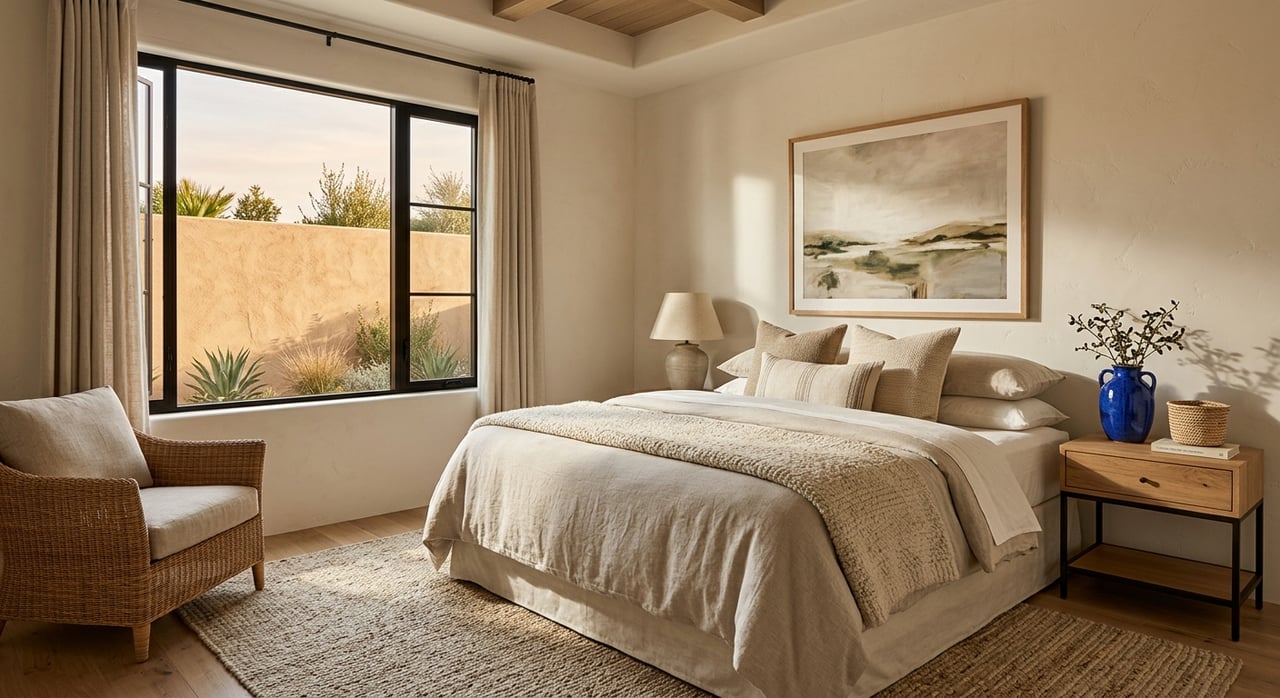
Staging does not always mean renting a full house of furniture. It often means arranging what you already have in a way that feels open, clean, and easy to understand.
According to NAR’s 2025 staging report, 83% of buyers’ agents said staging made it easier for buyers to visualize the property as a future home. The same report found that 29% of sellers’ agents said staging increased the dollar value offered by 1% to 10%, and many also reported reduced time on market.
Simple prep checklist for first-time sellers
- Deep clean every room
- Remove extra furniture and clutter
- Touch up obvious paint scuffs and minor wear
- Replace burned-out light bulbs
- Make sure doors, drawers, and fixtures work properly
- Refresh entry areas and outdoor curb appeal
- Keep decor simple and neutral
Step 4: Gather the paperwork you may need
Paperwork is one of the most overlooked parts of selling a home for the first time. Getting organized early can help you avoid stress later.
In New Mexico, the brokerage side of the transaction is regulated by the New Mexico Real Estate Commission. Its broker-duties rule requires brokers to disclose their duties in writing before presenting a document that could become an express written agreement.
You may also need property-specific disclosures. If your home was built before 1978, federal lead-based paint disclosure rules require sellers and agents to disclose known lead information, provide the EPA pamphlet, and give buyers a 10-day period to test. If your property is in a condominium or planned community, New Mexico law requires the association declaration, bylaws, and either a disclosure statement or resale certificate before conveyance.
Documents to ask about early
- Broker duties disclosure
- Lead-based paint disclosure if the home is pre-1978
- HOA or condo documents if the home is in an association
- Any records for repairs, upgrades, or warranties you want to share
Step 5: Price your home with local context
Pricing is the center of your strategy in today’s Albuquerque market. Since homes are selling close to list price on average, buyers may pay near asking when the home is positioned well, but overpricing can slow activity and lead to price reductions.
That is why a comparative market analysis matters. A strong pricing strategy should reflect your neighborhood, your home’s condition, and recent closed sales, not just a citywide average.
Albuquerque has major price differences across micro-markets. Realtor.com’s local data shows ZIP code 87105 around a $292,500 median listing price, while ZIP code 87122 is around $887,000. That wide range is a good reminder that your home should be priced against similar nearby properties, not against the whole city.
Step 6: Build a marketing plan that fits today’s market
Even a well-priced home needs strong presentation and broad exposure. In a market that is taking several weeks instead of several days, marketing can help your home stand out early.
This is one reason most sellers still work with an agent. NAR’s seller research found that 91% of sellers used a real estate agent, and many wanted help with marketing, pricing, and timeline management.
A thoughtful marketing plan often includes:
- Guidance on staging and presentation
- Professional listing preparation
- Clear pricing strategy
- Exposure to active buyers in the market
- Consistent communication once the home is live
For first-time sellers, hands-on support can make the process feel much more manageable.
Step 7: Keep showings easy and low-stress
Once your home hits the market, your goal is to remove friction for buyers. That means keeping the space clean, bright, and easy to walk through.
Buyers respond well when they can picture themselves living in the home. That connects back to staging and presentation, which NAR’s report found helped buyers visualize the property more easily.
Showing tips that help
- Open blinds and curtains for natural light
- Keep countertops clear
- Store personal items out of sight
- Make beds and tidy bathrooms daily
- Have a quick plan for leaving the home during showings
You do not need perfection every minute of the day, but consistency helps.
Step 8: Review offers with the full picture in mind
The highest price is not always the strongest offer. When offers come in, look at the complete package.
You will want to consider price, financing terms, contingencies, proposed closing date, and any requests for credits or repairs. In a balanced or buyer-leaning market, negotiation is normal, so do not assume a request means the deal is going sideways.
Step 9: Prepare for inspections and negotiation
Home inspections can make first-time sellers nervous, but they are a standard part of many transactions. Most homes have at least a few items that come up.
If the inspection reveals issues, you do not always have to pay for every repair yourself. Sellers sometimes offer credits instead of making repairs, which can be one practical way to keep the transaction moving.
Step 10: Know what happens before closing
After negotiations are settled, the sale moves toward closing. Before signing, the buyer will usually complete a final walkthrough to confirm agreed repairs and included items.
At the closing table, the transaction is commonly handled through a title or escrow company. If the buyer is financing the purchase, their lender must deliver the Closing Disclosure at least three business days before closing.
In New Mexico, county clerks serve as ex officio recorders, so the deed recording step happens at the county level after closing. That is one of the final steps that makes the sale official.
What timeline should you expect?
One of the biggest questions first-time sellers ask is how long the process will take. In Albuquerque, current median days on market are about 52 citywide and 47 for detached homes in the greater area.
That means you should usually expect a timeline measured in weeks, not just a few days. Your final timeline will still depend on price, condition, location, buyer demand, and how smoothly the contract-to-close period goes.
Why first-time sellers benefit from guidance
Selling your first home is not just a financial transaction. It is also a transition point, and that can bring a lot of moving parts at once.
Having a clear plan, local pricing insight, strong presentation, and steady communication can help you feel more confident from start to finish. In a market like Albuquerque, that kind of support can make a real difference in both your experience and your outcome.
If you are thinking about selling your first Albuquerque home, working with someone who knows the local market and values thoughtful preparation can help you move forward with less stress. When you are ready for personalized guidance, staging advice, and a step-by-step plan, reach out to Carrie Telles.
FAQs
How long does it take to sell a first home in Albuquerque?
- Current Albuquerque market data shows median days on market of about 52 citywide and 47 for detached homes in the greater area, so you should generally expect the process to take weeks rather than days.
Do you need staging to sell a home in Albuquerque?
- Not always full-service staging, but staging and thoughtful presentation can help buyers picture themselves in the home, and NAR reports it can reduce time on market and sometimes improve offers.
What paperwork matters when selling a home in New Mexico?
- Key items may include the broker duties disclosure, lead-based paint disclosure for pre-1978 homes, and HOA or condo documents if your property is part of an association.
When is the best time to list a home in Albuquerque?
- Spring is the broad seasonal answer, and national 2026 data pointed to mid-April as a strong listing window, but your pricing, competition, and home condition still matter more than any single week.
How should you price your first Albuquerque home?
- Your price should be based on a comparative market analysis that reflects your neighborhood, condition, and recent closed sales, since Albuquerque price points vary widely by area.
What happens if the buyer’s inspection finds problems?
- Inspection issues are common, and sellers do not always have to make every repair themselves since credits can sometimes be negotiated instead.